Back
 A friend once told me, ‘Sometimes I don’t know what I am thinking until I say it.’ We both laughed, but I understood. The truth is, for me, sometimes I don’t know what I am thinking about a particular subject until I write the words down. It’s as if there is a magical process that happens between the subconscious and the act of writing itself.
Over the years, I have come to view the keyboard as a ‘work’ tool rather than a ‘creative’ one. Sitting down to write at a keyboard, and actually picking up a writing tool and writing on paper, are quite different acts of intention.
The physical act of putting pen (or pencil — the Pilot 0.5 cartridge pencil is my favourite) to paper induces a peaceful state for me. My shoulders relax, I don’t try and edit my text as I write, but let the words fall as they may. Sometimes a doodle creeps into the margins of the page. In challenging times — such as those we are facing now — I find that morning journalling is a great way to start the day. Sometimes I write with intent, but mostly I let the pencil rest on the page and let my thoughts tumble out and follow their own path. This helps centre me for the day ahead.
Each of us comes to journalling in our own unique way. Some people may wish to make a daily recording of these unique times that we find ourselves in. Others may use it as a private place to express hopes and fears for the future, or a space to vent feelings of frustration or anger. It could be the place where spiritual questions and ideas are explored, and blessings are counted. There are no rules.
Why not make journalling a part of your daily mental and spiritual health regime?
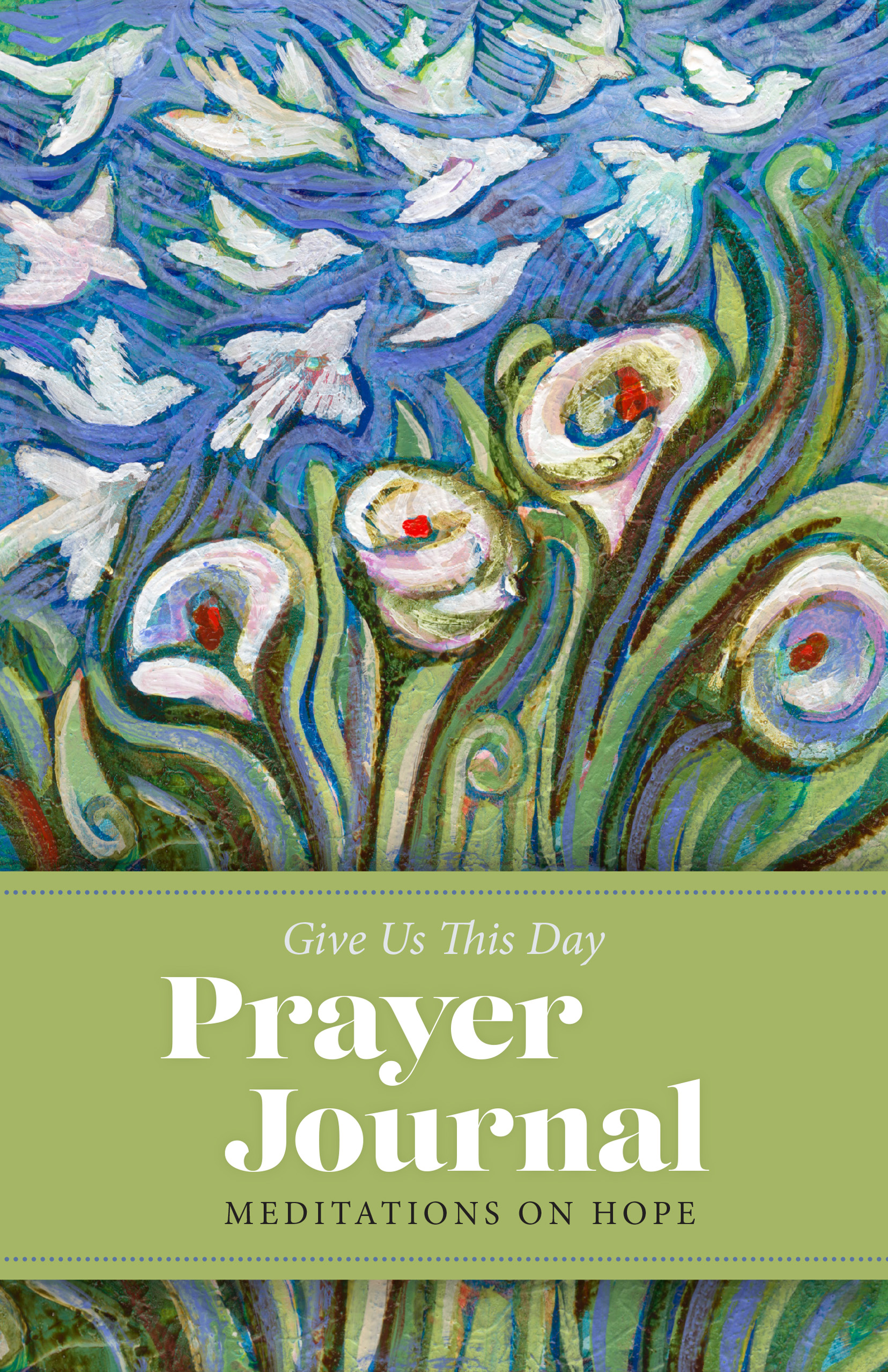
To help get you started, we have selected one of our most popular journals.
Just click on the image for more information.
Karen Tayleur
Publishing Director
The spiritual benefits of keeping a faith journal
A faith journal is simply a journal you keep in God’s company. Where an ordinary diary records what happened, a prayer journal becomes a place to pray – to notice, to give thanks, and to hand over what weighs on you. Nothing about it needs to be polished or profound. The page is patient, and it keeps no score.
How journalling deepens your prayer life
The benefits of journalling from a faith perspective have less to do with productivity and more to do with attention. Writing slows you down enough to notice where God has been at work in an ordinary day – a kindness, a small mercy or a prompting you might have missed.
It also gives prayer a shape. Naming your worries and hopes on the page is itself a form of honest prayer, and many people find they can say things in writing that they struggle to voice aloud. A short daily examen – a few lines on where you felt close to God and where you drifted – turns the day over gently in his light. When a decision is pressing, writing it through can be a way of discerning, rather than simply worrying. And a single line of Scripture, copied out and sat with, often says more after you have written your response to it than it did on first reading.
Ways to begin (there really are no rules)
As the reflection above puts it, there are no rules – and that is worth taking to heart. A faith journal asks for a few unhurried minutes, not a literary gift. Morning or evening, whichever settles you, is the right time.
If a blank page feels daunting, begin with one small thing: a single gratitude, one worry handed over in prayer, or a verse to respond to. Some people write their prayers as letters, addressed to God as to a trusted friend. Others prefer a little structure, and a prompt-led journal can gently carry you from one day to the next when you are not sure what to write.
However you start, consistency matters more than length. Three honest lines kept up over a month will do more for your prayer life than an occasional page you feel you ought to fill.
Journals and companions to help you start
If you would like a little guidance as you begin, the See with the Eyes of the Heart Journal pairs reflective prompts with space to write, so the practice feels supported rather than open-ended. For readers wanting to go further, our wider spirituality and prayer resources offer devotionals, reflections, and prayer guides to keep you company with your journalling.
Regardless of how you come to journaling, begin small and let the practice grow. A faith journal is not one more thing to be good at – it is a quiet, nourishing way of walking a little more closely with God, one honest page at a time.