 Back
Back
2026 Catholic Media Association Book Awards
FIRST PLACE – MORALITY AND ETHICS
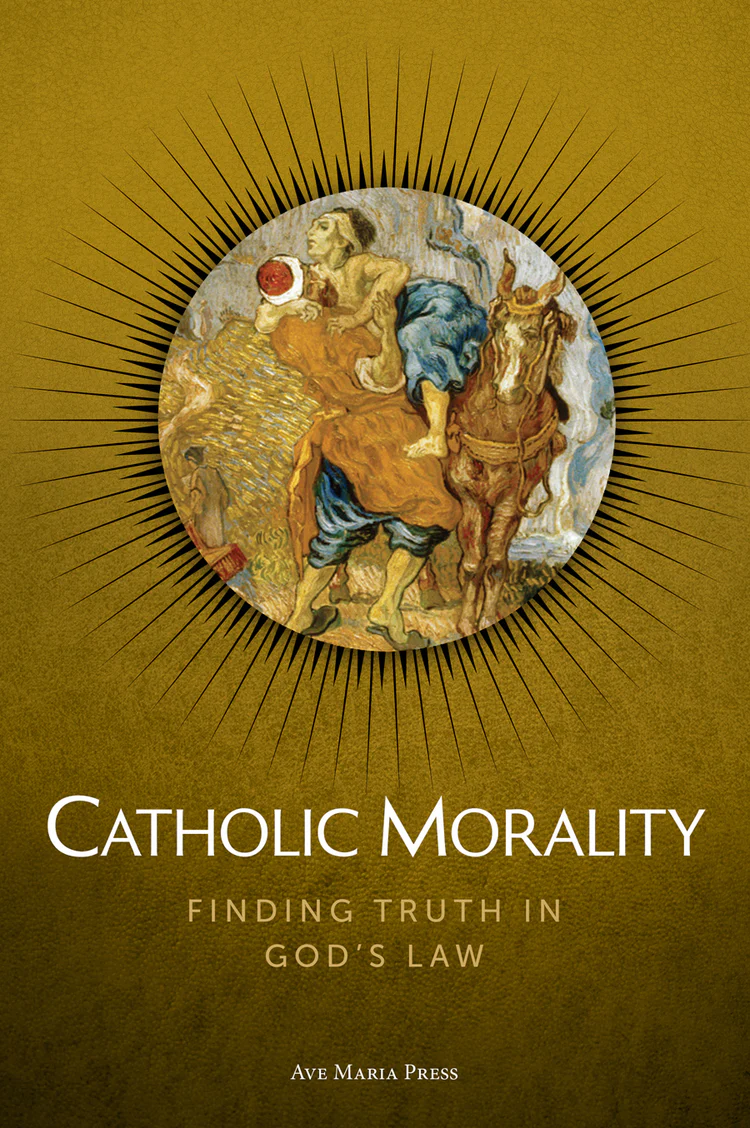
Catholic Morality: Finding Truth in God’s Law invites students into a dynamic conversation about what it means to live a good and moral life. Presented in a dialogue format—between students, teachers, and the Church’s enriching Deposit of Faith—this text fosters thoughtful engagement with real questions about moral decision-making.
Supporting Course VI of the USCCB Curriculum Framework and other comparable courses in morality and ethics, this textbook—grounded in Scripture, classic philosophy, and the wisdom of the Church Fathers and saints—guides students toward an understanding of moral truth as objective, life-giving, and deeply connected to God’s plan for human flourishing.
Topics include human dignity, sexuality, conscience, love and justice, respect for all life, care for creation, and the Church’s preferential option for the poor.
Input from Catholic high school theology teachers, students, and educational experts shaped this text, ensuring a student-friendly design and a portable 6” x 9” format that’s easy to carry and features:
Inspiring artwork—both classical and contemporary—opens each chapter, encouraging spiritual reflection and further study.
Focus questions engage students with the chapter’s core theme, reinforced throughout the chapter in multiple ways to cater to diverse learners.
Bolded vocabulary terms with definitions in the margins and glossary enhance understanding.
End-of-section assessments include reading comprehension, vocabulary, and personal reflection questions check students’ understanding.
“Pull-out” sections offer fresh perspectives on each chapter’s objective.
Enrichment text referenced in footnotes provide opportunities for students who want to go deeper into the material or for an honors-level course.
Chapter summaries restate the focus question, provide a review, feature a faithful disciple profile, and conclude with a prayer connected to the content of the chapter.
Five creative student project options adapt to various learning styles (essays, art projects, oral presentations, and so on) and class formats, such as block scheduling and group assignments.